0845 680 0312
 Email
0845 680 0312
Email
Email
0845 680 0312
Email
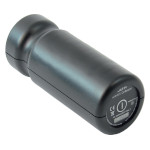
A sound level calibrator is a small hand-held device that emits a tone of very accurate level and frequency. They usually operate at 94 dB, 1 kHz, but there are variations on this.
The Noise at Work Regulations 1989 specify that "... a sound calibrator should be used to check the meter accuracy each day before and after making any measurements."
All our sound level meters are available with a sound calibrator. We recommend that you use a calibrator of Class 2 grade or greater for this type of application.
Some meters have an internal calibration check, but this is not suitable as it does not check the most damage sensitive part of the system: the microphone.
All sound level meters have either an adjustment screw or some form of automatic calibration feature. Carefully place the calibrator over the microphone, ensuring it is a snug fit, and switch it on. Check that the display reads the level that will be specified in the manual.
If the instrument has an automatic calibration process run it at this point. Even if the level already correct, some instruments store the calibration information which can be useful for later reference - evidence that the meter was checked.
For instruments with an adjustment screw, use the screwdriver provided to adjust the meter until it reads correctly.
Always make a note of the time of calibration for your noise at work records.

The microphone and circuitry of a sound level meter are very sensitive to damage and even to changes in temperature and air pressure. The calibrator is used to ensure that the circuitry has not drifted and that the membrane on the microphone capsule has not been damaged.
It should be noted that having a sound calibrator is not a substitute for having the sound level meter (and the calibrator!) calibrated at least every two years by a suitably equipped laboratory.
 Basket