Measuring Noise at Work
To satisfy the European
Noise at Work regulations - Physical Agents (Noise) Directive
2003/10/EC - and the HSE's Controlling Noise at Work guidelines,
you need at least a Type 2 Integrating Sound Level
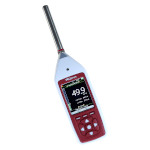
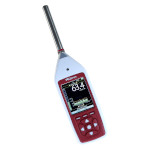
Meter like the CR262A, along with a Sound Level Calibrator. |
Noise Exposure

Calculators |
This all you need to do to make noise measurements at each working
position, but may not be the end of the assessment and protection
process. Noise assessments should be made by an adequately trained
competent person.
 |
Checking the Calibration
Before starting a new set of measurements you should check
the calibration and operation of the meter using a Calibrator.
- Push the Calibrator firmly onto microphone
- Switch the Calibrator to 94dB
- Press Cal key on meter
The rest is automatic and the meter shows the results of
the calibration. |
| |
|
|
|
| |
|
 |
Making the Measurements
1. Position the microphone
2. Select a suitable measurement range
3. Press the Start key on the meter
4. Wait for the Leq to settle or measure until a representative
sample of the noise has been obtained

5. Press the Stop key
You should now note the Leq and Peak readings for your Noise
at Work records and reports. |
These notes describe the process to make a single measurement
using the Assessor Model 82 Integrating Sound Level Meter. Please refer to
the Noise at Work Regulations and guidelines for information on
calculating the worker's daily noise exposure from these measurements.
When noise levels are high (e.g. greater than 90dB) then with the Model P82CA Assessor you can
also measure the "C" weighted Leq and use the HML method
to check the suitability of different hearing protectors. There
is a free
HML Hearing Protector Calculator on
our web site. The order code P82A-K and P82CA-K include a Sound Level Calibrator,
which is needed to satisfy the requirements of the regulations.
|